

Key takeaways
- Only water has zero calories.
- Low-calorie foods are rich in water and fibre.
- These foods don’t burn fat, but they support weight loss when paired with a balanced diet.
- Eating low-calorie foods can reduce cravings and make you feel full.
If you're trying to eat lighter without feeling starved, these low-calorie foods deserve a permanent place on your plate.
Read this list to discover everyday foods that are low in calories and are readily available at your local vegetable market. Nothing fancy, nothing gourmet, nothing pricey. It’s affordable and accessible.
So, are you ready to discover a more innovative way to stay healthy?
What are zero-calorie or low-calorie foods?
First things first: no fruit, vegetable, or dish is truly "zero calorie." The only real zero-calorie ingredient is plain water.
So, what are low-calorie foods?
There isn't a fixed definition, but here’s a general idea.
Low-calorie foods, as the name suggests, are foods that contain very few calories per serving. They can add volume, fibre, or water to your meal.
If images of a cucumber or a watermelon are floating in your mind, you are on the right track.
You can eat these foods in larger quantities and still fulfil your daily calorie goals.
However, keep in mind that these foods do not help you burn fat on their own. They only support weight loss when consumed as part of a healthy, balanced diet.
Basically, low-calorie foods make you feel full and don’t add up much to your daily calorie intake, so you eat well and don’t crave more food.
Why do we need zero-calorie or low-calorie foods?
We have all grown up with the idea that when we eat less, we lose more weight.
However, the truth is that when we starve ourselves, we end up feeling hungrier, more tired, and more prone to cravings. And that isn't sustainable.
Here's why eating low-calorie foods is a wise choice:
- We can eat more without overstepping our daily calorie needs.
- They’re rich in fibre, so they digest slowly and keep you satisfied.
- They help manage hunger and stick to your routine.
- They do not restrict your eating habits.
Without much ado, let’s see which low-calorie foods we need to add to our diet.
9 best low-calorie foods to try for weight loss
| Foods | Calories |
|---|---|
| Cucumber (kheera) | Approx. 10 kcal per 100g |
| Spinach (palak) | Approx. 22-28 kcal per 100g |
| Zucchini | Approx. 16-19 kcal per 100g |
| Mushrooms (Khumb/Khumbi/Kukurmutta) | Approx. 25-31 kcal per 100g |
| Watermelon (Tarbuj) | Approx. 30 kcal per 100g |
| Strawberries (Jharber/Hisalu) | Approx. 33-36 kcal per 100g |
| Unsweetened lemon water (Nimbu paani) | Approx. 15 kcal per 100g lemon |
| Unsweetened green tea | Approx. 3 kcal per cup (236.5ml) |
| Bell peppers (Shimla mirch) | Approx. 17 kcal per 100g |
-
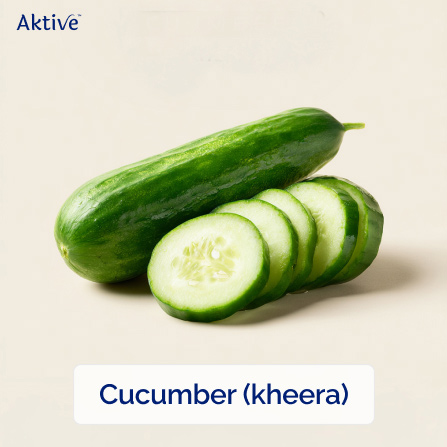
1. Cucumber (Kheera)
Calories: Approx. 10 calories per 100g
Crisp, cooling, and made up of over 95% water, kheera is a classic Indian summer staple. It also contains small amounts of potassium and vitamin K, which makes it a great option for hydration and mild electrolyte support.
Did you know?
Cucumber has been cultivated for over 3,000 years. It was even used in ancient Indian and Egyptian cultures as a cooling remedy!
How to add it to your diet:
- Chop and mix with other veggies to make kachumber/koshimbir.
- Dip in hung curd and enjoy.
- Blend into a refreshing mint chaas.
- Add it to the thalipeeth dough and roast as usual.
-
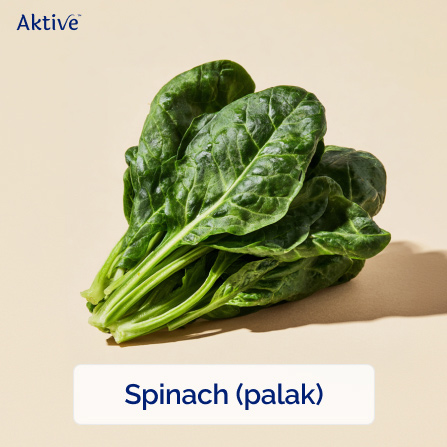
2. Spinach (Palak)
Calories: Approx. 22-28 calories per 100g
The bright green foliage of palak is a powerhouse of iron, folate, and vitamin A.
Popeye’s favourite food adds bulk, fibre, and colour to your plate, nourishing you well.
How to add it to your diet:
- Add to dals and sabzi.
- Use the puree in soup.
- Knead into your rotis or theplas.
- Make nutritious baked green kebabs.
-
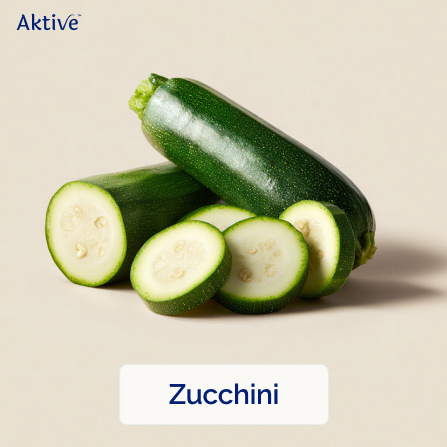
3. Zucchini (Courgette)
Calories: Approx. 16-19 calories per 100g.
Light, juicy, and mild in taste, zucchini is a vegetable that is steadily growing in popularity across India. It is rich in antioxidants (like lutein and zeaxanthin), folate, potassium, vitamin C, and fibre. It has nearly 95% water, and almost no fat!
The best part is that zucchini can easily be incorporated into Indian dishes, making it perfect for days when you want to eat more volume but stay within your calorie limit.
How to add it to your diet:
- Slice and add to stir-fries with paneer or tofu.
- Spiralise into noodles and pair with a simple tomato-onion gravy.
- Grate into the cheela or oats batter.
- Add cubed zucchini to soups, stews, or mixed veggie sabzi.
- Stuff with cooked dal or millet mix, sprinkle masalas, and bake small cutlets.
-
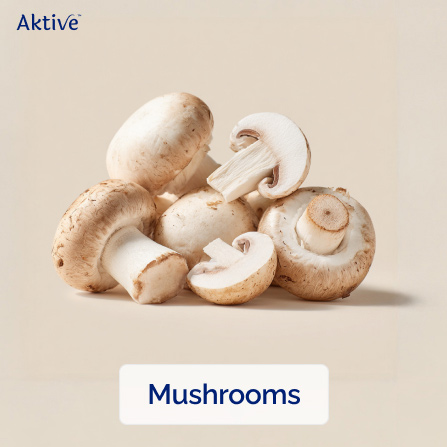
4. Mushrooms (Khumb/Khumbi/Kukurmutta)
Calories: Approx. 25-31 calories per 100g
Earthy, chewy, and surprisingly filling, mushrooms are rich in B vitamins, selenium, and antioxidants.
Interestingly, when exposed to sunlight, they’re also one of the rare vegetarian sources of vitamin D!
How to add it to your diet:
- Use it as a delicious addition to stir-fries.
- Make masala mushroom bhurji or cook with mixed vegetables.
- Enjoy as mushroom soup seasoned with pepper and oregano for flavour.
Pro tip:Most of the vegetables mentioned above pair well with grilled or raw paneer. With just the right amount of protein and calories in 100g paneer, this white delight can cover a huge portion of your daily protein needs.
-
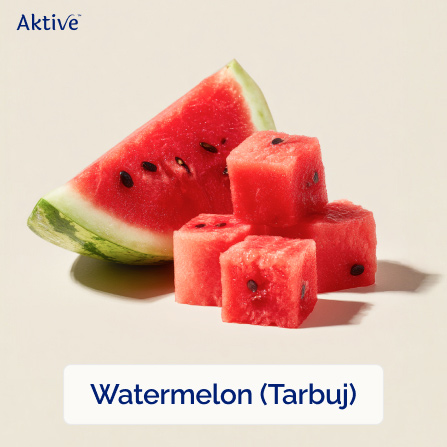
5. Watermelon (Tarbuj)
Calories: Approx. 30 calories per 100g
If there’s something that makes water blush red, it’s watermelon. It is over 90% water, naturally sweet, and just what your body craves on a hot day.
It’s also a source of vitamin C and lycopene (a powerful antioxidant).
 Fun fact:
Watermelon is technically both a fruit and a vegetable, since it belongs to the cucumber family.
How to add it to your diet:
- Sprinkle kala/sendha namak on watermelon and enjoy as a fruit chaat.
- Blend into a summer cooler (no added sugar).
- You can also experiment with sabzi/curry made from watermelon rinds.
-
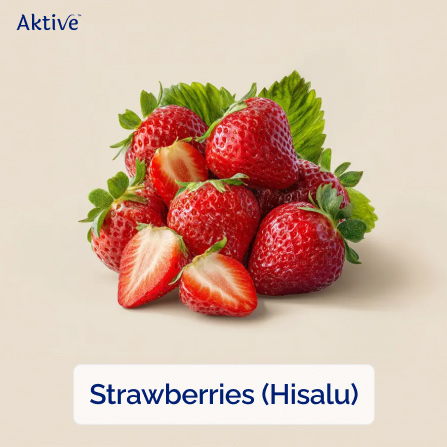
6. Strawberries (Jharber/Hisalu)
Calories: Approx. 33-36 calories per 100g
Juicy, tangy-sweet, and rich in antioxidants, strawberries are a great source of vitamin C and manganese. Each berry holds almost 200 seeds on the outside!
How to add it to your diet:
- Mix into curd bowls.
- Blend into smoothies.
- Freeze into tiny popsicles.
-
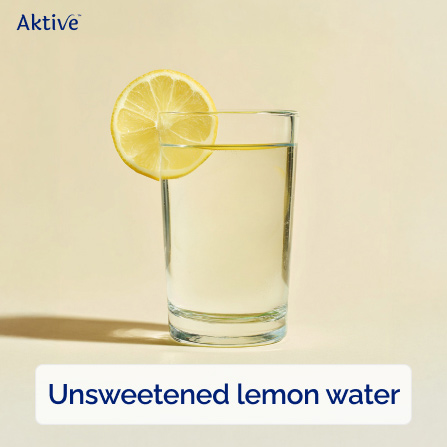
7. Unsweetened lemon water (Nimbu pani)
Calories: Approx. 15 calories per 100g lemon
Lemon water is that easy, everyday habit that reduces your cravings, improves digestion, and adds vitamin C with every sip.
In ancient Rome, lemons were so prized that they were considered a symbol of luxury!
How to add it to your diet:
- Sip warm in the morning or after meals with jeera, mint, or ajwain.
Short on time and looking for a light yet filling breakfast? A veggie-loaded poha with peanuts and a squeeze of lemon is the perfect low-calorie breakfast.
Read: Here's how you can enjoy poha smartly for weight loss.
-
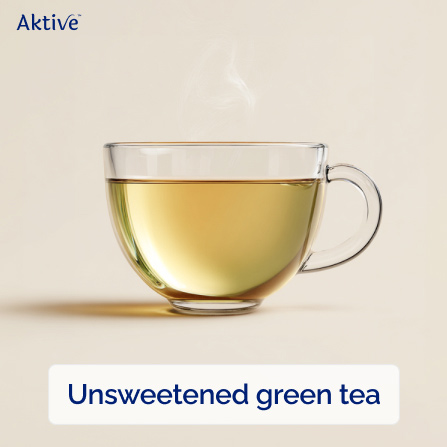
8. Unsweetened green tea
Calories: Approx. 3 calories per cup (236.5ml)
Green tea has become a ritual for many during tea breaks. This is thanks to its light taste and antioxidant content. It is rich in catechins, which work as a metabolism booster.
Bonus? You can steep the same leaves 2–3 times and enjoy your tea multiple times.
How to add it to your diet:
- Drink plain or infuse with tulsi, ideally on an empty stomach or between meals.
Try these 7 best Indian homemade drinks for weight loss to stay refreshed and energised without overloading on calories.
-
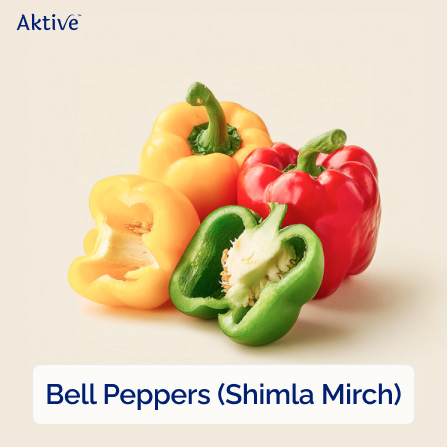
9. Bell peppers (Shimla mirch)
Calories: Approx. 17 calories per 100g
Crunchy and colourful, bell peppers are a good choice if you are looking to add volume without the calories.
Red and yellow peppers have the most antioxidants, while green ones offer a slightly earthy, traditional flavour.
Bell peppers are a good source of fibre, vitamins A & C, and have a low glycaemic index. This makes them ideal for keeping you full and managing cravings.
They are easy to cook and make Indian, Asian or continental dishes yummier.
How to add it to your diet:
- Add to stir-fries with mushrooms or paneer.
- Use in upma, poha, or omelettes.
- Roast and blend into a smooth red bell pepper chutney or soup.
- With millet khichdi or fried rice.
- Slice and dip into hummus or hung curd.
A spicy bonus
Who said spices can’t have fun? Eating healthy does not mean your food should taste bland. So let’s open that masala-dani and elevate the taste.
P.S. These spices are also sure to support your weight loss efforts.
- Dalchini (cinnamon): A sweet-smelling spice that helps curb sugar cravings and keeps your blood sugar stable. Add a pinch to tea or oats when you want something sweet but light.
- Jeera (cumin): A go-to for bloating and sluggish digestion. Sip jeera water on an empty stomach or use it in tadkas and chaas (as jeera powder).
- Ajwain (carom seeds): That bitter kick you taste in parathas? Ajwain is also known to ease acidity and support fat digestion. You can add these seeds to rotis or steep a teaspoon with warm water after a heavy meal.
How to eat low-calorie foods smartly?
You’ve got your hand on a low-calorie food. But the trick lies in eating them smartly. Here’s what you can do to consume your low-calorie foods more effectively.
- Begin with a sprout salad or pair sautéed veggies alongside your main meal.
- Cook gravies using tomatoes and onions instead of cream or butter.
- Avoid deep-fried options, such as pakoras, samosas, and puris, for everyday meals.
- Go easy on ghee and oil (even in tadkas).
- Hydrate smartly with buttermilk, jaljeera, or coconut water instead of sugary drinks.
- Choose roasted snacks like makhana or chana over fried munchies.
- Use methods like steaming, grilling, roasting, sautéing, or pressure cooking instead of frying.
- Switch to non-stick pans or tawas to cut down your oil use naturally.
Weight loss doesn't mean starving yourself. When you focus on the right foods in the right combinations, your meals can be both delicious and healthy.
Traditional low-calorie foods can absolutely support your weight loss plans. You simply need to know how to use them wisely.
Eating a healthy diet is one aspect of weight loss. But a structured approach that prioritises your food habits, movement, and recovery can make all the difference.
If you are looking for a weight loss plan that actually works for you, try Aktive.
Check eligibilityFAQs
-
How many calories should I eat daily?
-
Can I eat more if I eat low-calorie foods?
-
Can I eat these low-calorie foods every day?
-
Are low-calorie foods enough for nutrition, or do I need supplements?
-
What are empty-calorie foods?
-
What are negative-calorie foods?
-
What is volume eating?
-
How do I make a complete Indian meal under 300 calories?
-
Can I drink lemon water multiple times a day for faster weight loss?
-
Why am I not losing weight even with low-calorie foods?
-
Do I need to count calories if I eat these low-calorie foods?
-
Should I avoid rice altogether if I want to lose weight?